
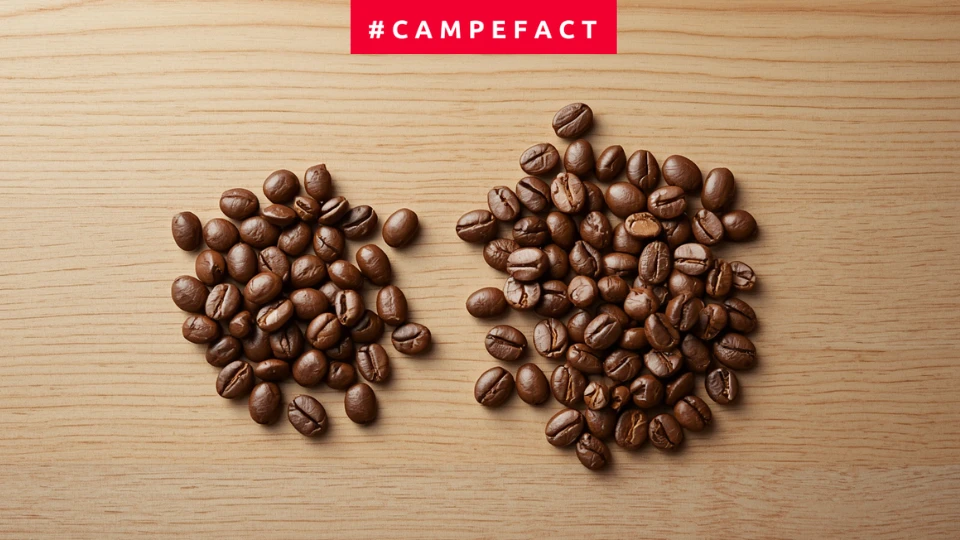

It happens to open a new package and still get a short, not very sweet and unrecognizable cup. In these cases the recipe matters, but often the limit is in the raw material: immaturity and defects reduce sensory potential even before extraction. This guide helps you recognize the most reliable signs and choose realistic interventions, without chasing endless micro-adjustments.
What flat cup really means
A flat cup is not just “not very intense,” it is a cup that lacks structure: few discernible aromas, short sweetness, and weak persistence. Sometimes you detect toast or bitterness, but no balance, body, or cleanliness. Clarifying this definition is critical, because it changes the diagnosis: if flatness is structural, the recipe can only attenuate, not create complexity.
- Little perceptible sweetness, empty center of mouth
- Generic flavorings, difficult to identify
- Short or dry finish, sometimes slightly astringent
Quick case: diagnosis without changing prescription
Situation: make two identical cups with the same water and method, but the result still remains short and not very sweet. Intervention: before changing grind or timing, look for signs of immaturity or defects (quakers, broken, unevenness). Outcome: figure out if you need to optimize extraction or change batch, avoiding unnecessary attempts.
Quakers: what they are and why they lower sweetness
Quakers are immature beans that can often be recognized after roasting because they remain lighter than the rest of the batch. The cause is in the green coffee: fewer sugars and precursors mean less flavor development and lower sweetness. Even limited amounts can cut roundness and introduce cereal notes, making the cup leaner and less clean.
- They are formed by non-selective harvesting, incomplete ripening, or insufficient selection
- Visually they stand out as lighter grains; in the grind they may appear as pale dots
- In the cup they often carry notes of cereal, raw peanut or wood, with reduced sweetness
Field test: when to suspect quakers
Situation: coffee is fresh, but you feel weak sweetness and a “raw peanut” note returning. Intervention: if you have beans, do a quick sorting by removing the lighter ones; if you have ground, the most effective route is to change batches to a more select product. Outcome: cleaner profile and a more continuous sweetness, without upsetting the recipe.
Primary and secondary defects: which ones really turn off the cup
Not all defects carry the same weight: some contaminate the profile immediately, others worsen the cup by accumulation. Understanding this difference saves you time, because it avoids attributing every problem to extraction. In practice, primary defects soil cleanliness and consistency, while secondary defects make the profile uneven and less sweet.
- Primary defects: severe black/fermented, mold/fungus, foreign bodies
Typical effect: obvious unpleasant notes, compromised cleanliness - Secondary defects: broken/scarred, shells, insect damage, parchment residue
Typical effect: unevenness, dryness, attenuated sweetness
Targeted example: when to stop “adjusting” the recipe
Situation: perceive acetic, wet or dirty notes even with stable recipe and neutral water. Intervention: do not chase parameters; it is more consistent to change batches, because primary defects are not corrected by grinding. Outcome: a cleaner, more recognizable cup, often already on the first attempt with the same method.
Sieve and uniformity: why it matters even if you’re not a roaster
The sieve describes the size of the grains, but quality is not “bigger is better”-it is uniformity that allows consistent roasts. Very different grains in size and density absorb heat differently and generate an uneven profile. In the cup this becomes a confusing result, where some parts seem over-extracted and others under-extracted.
- Uniformity = more homogeneous roasting = more consistent extraction
- More mature and dense grains tend to give more stable sweetness
- Visual inhomogeneity (colors/patterns) often anticipates instability in the cup
Typical situation: consistency that comes and goes
Situation: with the same recipe alternate bitter-dry cups and watery cups for no clear reason. Intervention: if the batch appears heterogeneous, try a more uniform and selected product before changing recipe again. Outcome: greater repeatability and fewer “no” days with the same method and water.
How to recognize the problem without tools
You can make a useful diagnosis with sight, smell and a control cup, without turning the kitchen into a laboratory. The key is to isolate the variables: if water, dose and method are constant, what remains to be verified is often the raw material. This avoids confusing a flat cup for preservation with a flat cup for immaturity or defects.
- Sight (if you have grains): look for pale post-toasting, broken, abnormal shapes
- Dry sense of smell: weak and dusty scent may indicate low basic complexity
- Control cup: if the structure remains short even by “hitting” the draw, suspect lotto limits
Immediate application: confirmatory test in 2 cups
Situation: change grind and flame, but cup remains short and not very sweet. Intervention: do two identical extractions with stable water; if the result does not change, go for a more selected batch. Outcome: stop chasing parameters and solve the cause, improving yield stably.
What you can really do
When the problem is in the raw material, extraction can mitigate some defects, not eliminate them. The realistic goal is to choose better upstream and reduce the probability of batches with immaturity or severe defects, or mitigate when needed. The best strategy is to combine selection, consistency and transparency, and not fixate only on stated intensity.
- If buying in grains: quick sorting before grinding (pale/brown)
- If buying milled: aim for lots with quality control and rotation, avoid extreme corrections
- Mitigations: slightly shorter volume reduces dryness; milk masks, does not correct
If you want to avoid variability and aim for a more consistent cup, choose blends with quality control and a stable profile: take a look at our ground coffees.
Lightning test: making drinkable without confusing causes
Situation: you have a flat, dry grind and want to make it more acceptable. Intervention: shorten the volume slightly to limit dryness, but plan the batch change and don’t confuse the problem with the recipe. Outcome: more manageable cup right away and better decision on next purchase.
FAQ
How many quakers is enough to make the cup worse
No need for a high percentage: quakers have little sweetness and can introduce cereal notes that stand out in the profile. The effect is most noticeable on delicate coffees, where the loss of cleanliness is most noticeable. If you notice them often, it is a sign of suboptimal selection. At home you can discard them if you buy in beans; with ground, the solution is to choose a more uniform batch.
Quakers depend on whether they are roasted or green
They depend mainly on the green: they are immature or poorly selected grains. Roasting can make the contrast more obvious, but it cannot turn an immature bean into a mature one. If changing recipes does not change the texture of the cup, it makes more sense to change batches than to insist on parameters. A product with better selection reduces the root of the problem.
The big sieve is always better
No: size is not a quality grade, it is uniformity that counts. A uniform batch roasts consistently and makes the extraction more stable, while a very mixed batch amplifies instability and variability in the cup. A medium but uniform sieve can give better results than a large but uneven sieve. If you are looking for consistency, favor uniformity and batch cleanliness.
How do I know if a coffee is well selected
Look for consistency between packages, repeatable aroma cleanliness, and clear sensory profiles. If with stable water and recipe you always get a short, not very sweet cup, it may be a limitation of the raw material. Useful signs are absence of extraneous notes, perceptible sweetness, and ability to forgive small deviations. In grains, visual sorting can also tell you a lot.
I can recover a defective coffee with extraction
You can attenuate some aspects, but do not recreate sweetness and complexity if they are lacking upstream. Reducing volume may limit dry bitterness, and drinks with milk may mask some notes, but the primary defects remain noticeable. If the problem is recurring, the most effective choice is to change batches and store properly. Extraction optimizes good coffee, it does not repair defective coffee.
If, on the other hand, you prefer a more standardized and repeatable format, you can switch to the ESE wafers, useful when you want to reduce extraction variables.

